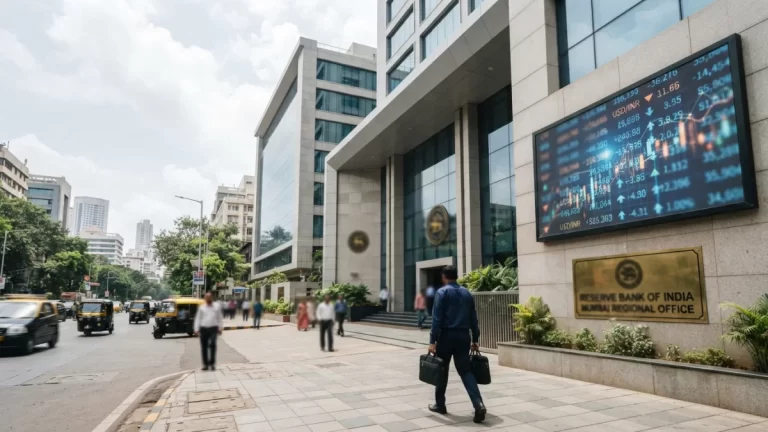
Total foreign exchange inflows registered under the Reserve Bank of India special USD-INR forex swap facility reached USD 56,846 million by August 13, 2026, according to data compiled from authorised dealer banks. The central bank had originally launched the special swap window on June 8, 2026, to cover foreign currency non-resident bank deposits, external commercial borrowings, and overseas foreign currency borrowings.
Inflow Breakdown Across Categories
Authorised dealer banks reported varied participation levels across the three eligible inflow categories under the central bank’s facility. Foreign currency non-resident bank deposits generated the highest volume by a significant margin, reflecting strong market uptake since the scheme’s inception.
- Foreign currency non-resident bank deposits accounted for USD 52,300 million
- Overseas foreign currency borrowings contributed USD 2,805 million
- External commercial borrowings reached USD 1,741 million
Revised Deadlines for FCNR(B) Deposits
Following a positive market response and substantial foreign exchange mobilization through deposit accounts, the central bank decided to adjust the operational timeline. The special swap facility for foreign currency non-resident bank deposits will now remain accessible strictly for deposits mobilized up to August 31, 2026. Furthermore, participating institutions must avail of the related swaps with the central bank by September 11, 2026.
Continuation of Other Borrowing Schemes
While deposit-related timelines have been advanced, the regulatory framework governing other financial instruments remains unchanged. The existing scheme supporting external commercial borrowings and overseas foreign currency borrowings will continue operating without alteration. These specific borrowing windows will remain open to the market until the previously established deadline of December 31, 2026.
Primary source: This independent news summary is based on official information from Reserve Bank of India. Read the original document for complete details.